ALL3D glossary
AI lifestyle image
An AI lifestyle image is a product image created with generative AI to show an existing item in a styled, believable setting while preserving the product's approved appearance.
- AI-generated lifestyle image
- generative lifestyle image
Definition
What is ai lifestyle image?
The process usually begins with an approved product photo, isolated image, or 3D render. A creative team then describes or references the desired environment, lighting, camera angle, mood, and audience so an AI system can build context around the product.
An AI lifestyle image is a type of lifestyle image, not a separate visual purpose. Lifestyle imagery can also be photographed or rendered in 3D; the word AI identifies how the scene was produced. The result still needs to help shoppers understand the product in context and remain consistent with the brand.
Because generative tools can alter shapes, colors, materials, hardware, logos, scale, or small construction details, every output should be compared with its approved source. AI lifestyle images are well suited to creative exploration, campaign scenes, and channel variations, but they should not introduce unsupported product, performance, or safety claims.
In one sentenceAn AI lifestyle image uses generative tools to create product context quickly, but it becomes usable brand content only after the product and scene have been carefully reviewed.
Business value
Why ai lifestyle image matters
AI can expand the number and range of lifestyle scenes a team explores without requiring a new physical shoot for every idea. The value comes from combining that flexibility with disciplined control over the product, the brand, and the final approval decision.
Explore more creative directions
Test different rooms, seasons, moods, audiences, and compositions from the same approved product source before committing to a campaign direction.
Adapt content for each channel
Create scene and format variations for product pages, paid media, email, marketplaces, and social campaigns while keeping a recognizable visual idea.
Keep the brand in control
Use clear art direction, visual references, and approved outputs to guide the setting, palette, styling, and tone instead of accepting whatever the model produces first.
Protect product fidelity
Compare every result with the source asset and reject changes to silhouette, proportions, materials, color, construction, branding, or other details that could mislead a shopper.
The workflow
How an AI lifestyle image is created
A reliable workflow treats generation as one stage between an approved product source and a deliberate human review.
- 1
Start with the approved product
Supply a clear product photo, isolated image, or 3D render that accurately shows the SKU, colorway, materials, branding, and important construction details.
- 2
Set the creative direction
Define the intended audience, use case, setting, composition, lighting, mood, and output channel, along with any brand rules the scene must follow.
- 3
Generate and refine the scene
Create variations, select the strongest direction, and refine the environment and composition without allowing the product itself to drift from its source.
- 4
Review before publishing
Check product accuracy, scale, contact shadows, reflections, people, text, logos, background details, and channel requirements. Approve only images that are believable, on-brand, and appropriate for the claim being made.
In practice
Common ai lifestyle image examples
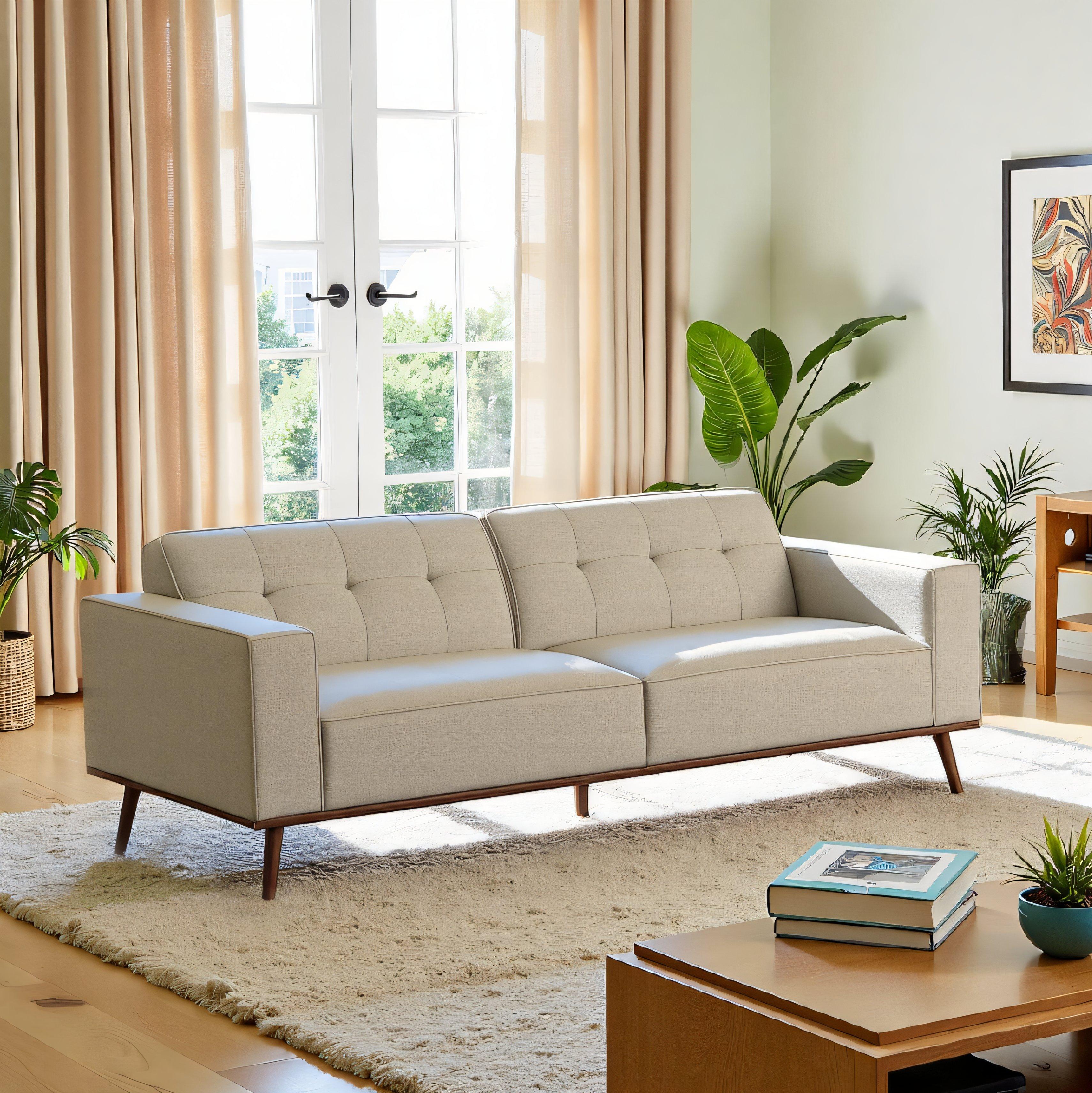
A product in room context
A generated living-room setting gives the sofa scale, placement, and a recognizable use context while keeping it as the clear focal point.
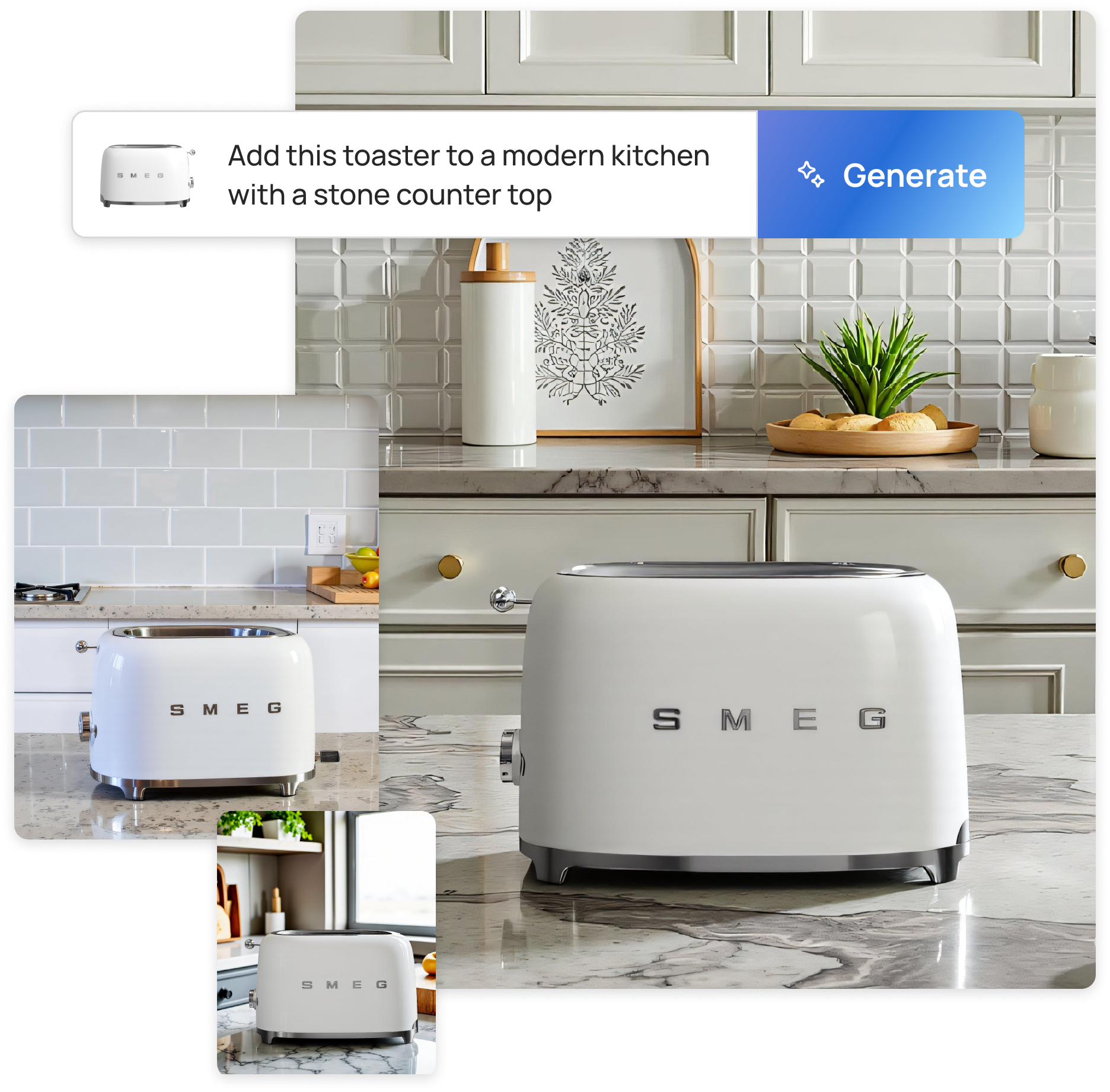
Prompt-guided scene generation
Inside ALL3D, a product reference and a plain-language scene direction become the controlled inputs for generating a contextual product image.
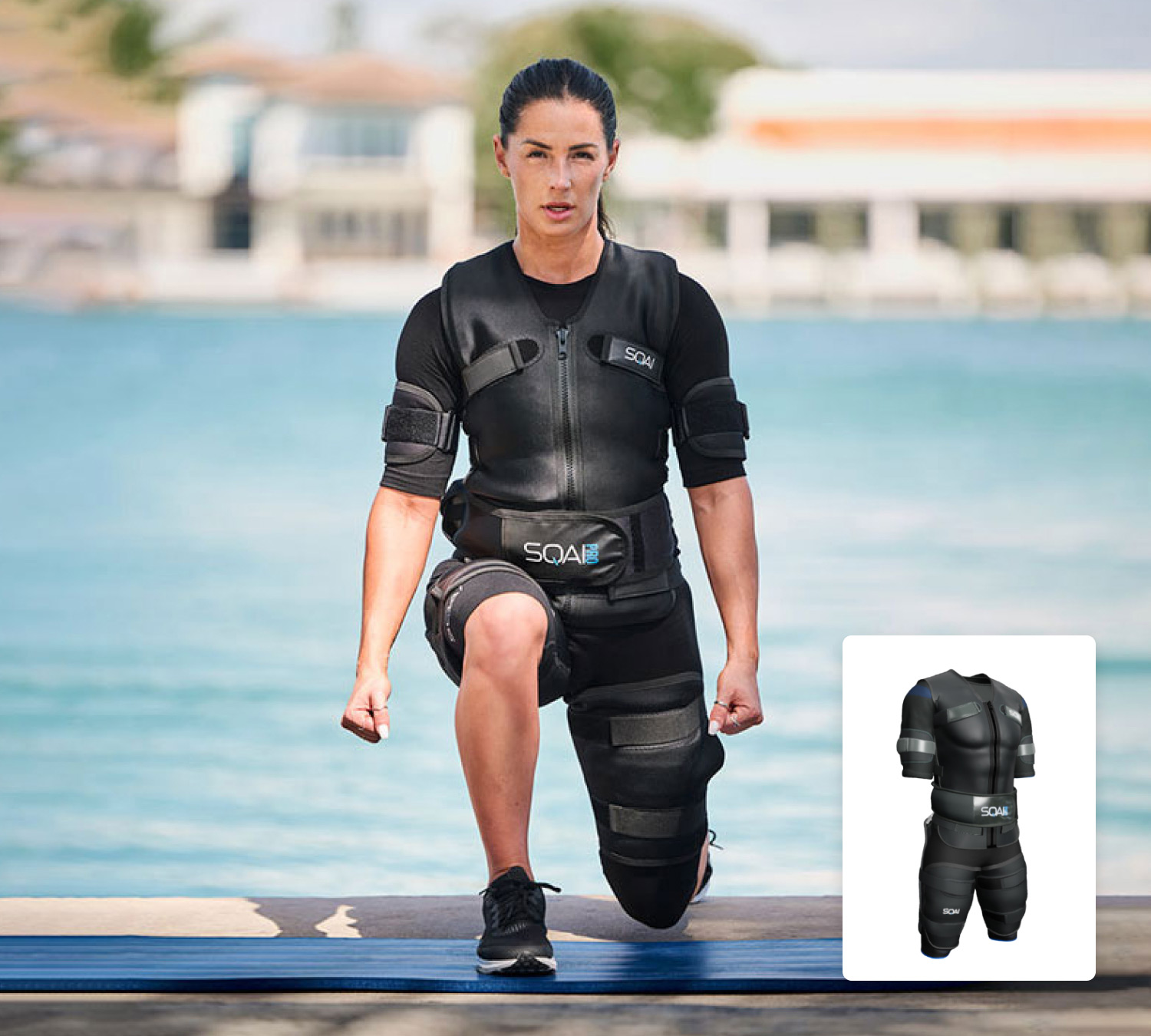
A specific use case
An in-use composition can connect a specialized product with its intended activity, provided the product and implied claims are reviewed for accuracy.
The distinction
AI lifestyle image vs. lifestyle image
An AI lifestyle image belongs to the broader lifestyle-image category. The difference is the production method, not the job the finished image is meant to do.
| Compare | AI lifestyle image | Lifestyle image (general) |
|---|---|---|
| Meaning | A lifestyle image made with generative AI | Any product image shown in a styled or real-world context |
| Possible production method | Generative AI, often guided by a product source and prompt | Photography, 3D rendering, compositing, generative AI, or a mix |
| Creating variations | New settings and directions can be generated rapidly | The effort depends on the chosen production method |
| Review focus | Product drift, AI artifacts, scene logic, brand fit, and claims | Product accuracy, styling, scene logic, brand fit, and claims |